December 30, 2025
Rivers of Glass & Gold: The Ultimate Guide to Fly Fishing Whitefish, Montana

Currently
Trending
Great Northern Mountain Escape: Your exclusive Montana sanctuary for luxury, adventure, and unforgettable moments.
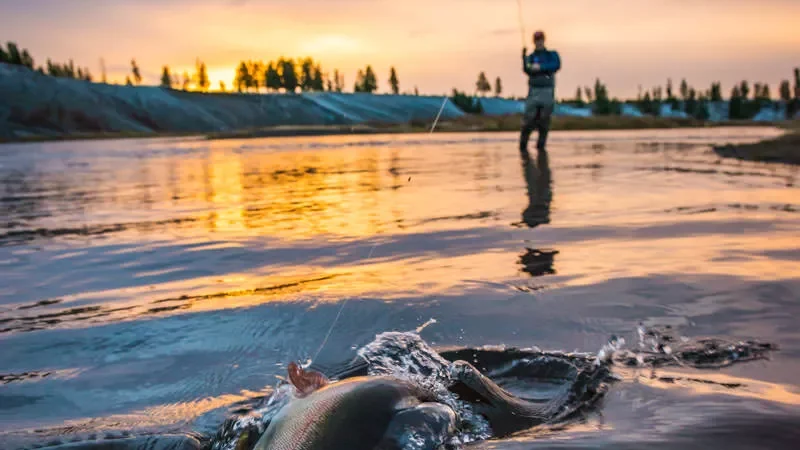
For those seeking the ultimate guide to fly fishing in Whitefish, Northwest Montana, this experience is less about a checklist and more about a rhythm. It’s the rhythmic “shush” of a fly line cutting through the crisp morning air, the cold sting of glacial water against your waders, and the electric flash of a Westslope cutthroat rising to a dry fly.
Located in the shadow of the Continental Divide, Whitefish serves as the gateway to some of the most pristine freestone rivers and alpine lakes in the lower 48. Whether you’re looking to drift down a broad river valley or hike into a silent cirque, this guide will help you navigate the waters of Northwest Montana.
When to Cast: The Fly Fishing Seasons of the Flathead
Timing is everything in the Rockies. The rivers here are “freestones,” meaning their flows are dictated by snowmelt rather than dams.
Spring (April – May): Before the “Big Runoff,” spring offers a window of magic. You’ll find hungry trout waking up to Blue-Winged Olives and March Brown hatches.
Summer (July – August): This is the gold standard. Once the runoff subsides (usually by early July), the dry fly action is world-class. Think big attractor patterns, grasshoppers, and the legendary Salmonfly hatch.
Fall (September – October): For the serious angler, fall is the “secret season.” The crowds vanish, the larch trees turn a brilliant gold, and aggressive brown trout begin their pre-spawn move, making it the best time to throw large streamers.

Where to Wade: Popular Fly Fishing Spots & Hidden Gems
In Whitefish, you are never more than a short drive from world-class water.
The Icons
The Flathead River (Middle & North Forks): The lifeblood of the valley. These forks offer crystal-clear water and aggressive native cutthroats.
Distance: ~25–40 minutes from Whitefish.
Whitefish River: Flowing right through the heart of town, it’s perfect for a quick evening session. It’s a bit slower and more technical but holds surprisingly large fish.
Distance: 0–5 minutes from Whitefish.
The Hidden Gems
The Tobacco River: Located north of Whitefish, this smaller stream offers a more intimate experience. It’s less pressured and holds beautiful rainbows and the occasional bull trout.
Distance: ~50 minutes from Whitefish.
Kintla Lake (Glacier National Park): For the adventurous, the drive to the remote North Fork of Glacier pays off in solitude. Bring a float tube or fish the mouth of the creeks for cutthroats that rarely see a fly.
Distance: ~1.5 hours (rough gravel roads).

The Pros: Guide Services
If you’re new to these waters, a guide is an investment that pays dividends. Here are the top-rated local outfits:
| Company | What Reviewers Say |
| Montana Fishing Guides | Praised for their “educational approach” and ability to put beginners on fish quickly. |
| Bigfork Anglers | Known as “hardworking pros” with a deep knowledge of the Blackfoot and Flathead systems. |
| Glacier Float Trips | Highly rated for family-friendly excursions and incredibly patient guides. |

Bonus: Packing List for Kintla Lake
Kintla Lake is remote, primitive, and breathtaking. Because there are no services (and no cell signal) once you pass Polebridge, preparation is non-negotiable.
Fishing Essentials
9-foot 5-weight Fly Rod: Versatile enough for the lake’s wind and the creek’s precision.
Polarized Sunglasses: Essential for spotting cruisers in the glacial blue water.
Rubber-Soled Wading Boots: Note that felt soles are discouraged in some areas to prevent the spread of invasive species.
A “Park-Ready” Fly Box: Stock up on Parachute Adams, Elk Hair Caddis, and small bead-head nymphs.
Wilderness & Safety
Bear Spray (Accessible): You are in deep Grizzly country. Keep it on your hip or chest, not inside your pack.
Water Purification: Bring a LifeStraw or Katadyn filter; the water looks pure, but Giardia is real.
Sturdy Spare Tire: The “North Fork Road” is notorious for sharp rocks. Ensure your spare is aired up.
National Park Pass: You’ll need this to enter the Polebridge station.
Pro Tips for the Montana Angler
- “Stay Shallow”: Many anglers wade too deep, too fast. The biggest fish often hold in the “skinny” water right along the bank. Fish the water at your feet before stepping in.
- The “Drying” Secret: In the high humidity of summer, dry flies get waterlogged. Use a “shake” desiccant to keep your flies riding high; if it’s not floating perfectly, the cutthroats won’t touch it.
- Mind the Vibrations: Trout feel you before they see you. Move slowly and avoid clacking rocks together as you wade.
- Carry a Net: It’s not just for you—it’s for the fish. A rubberized net allows for a quicker release and ensures the native trout stays healthy and wet.

Your Basecamp: Great Northern Mountain Escape

After a day of navigating river currents and hiking forest trails, you need a sanctuary. Great Northern Mountain Escapeis designed specifically as a high-end “home base” for Montana expeditions.
Nestled on 12.5 private acres on Big Mountain, this 8,600-square-foot luxury retreat allows your group to spread out after a day on the water. You can swap stories of “the one that got away” by the massive wood-burning fireplace, or soak sore muscles in the hot tub while overlooking Whitefish Lake. With a gourmet kitchen ready for a fresh-caught meal and enough space for the whole family, it’s the ultimate place to recharge for the next day’s sunrise cast.

Share to:
+ Show / Hide Comments